How to Bake Neapolitan-Style Pizza at Home
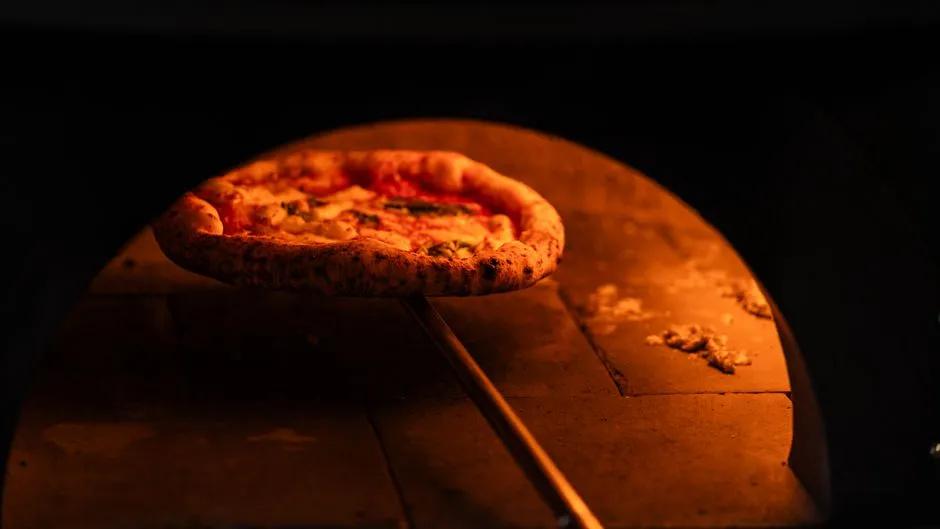
Let the home oven be the oven it is
A domestic oven cannot reproduce every feature of a very hot wood-fired pizza oven. It can still make a superb Neapolitan-style pizza when the baking surface stores enough heat, the dough is properly relaxed, and toppings show restraint.
The goal is an expanded rim, browned underside, melted cheese, and a center that is tender rather than wet. The method works with a pizza stone or steel approved for your appliance.
Preheat the surface thoroughly
Position a rack in the upper third of the oven, leaving safe clearance from the broiler. Place the stone or steel on it while the oven is cold unless the product manufacturer specifies otherwise.
Heat the oven at its highest safe bake setting, commonly 500°F to 550°F (260°C to 288°C), for 45 to 60 minutes. Follow both oven and baking-surface instructions. A steel transfers heat aggressively and remains dangerously hot long after dinner; a stone is vulnerable to thermal shock. Keep either surface dry while hot and follow its cooling and cleaning instructions.
Use an infrared thermometer only if its instructions and the surface allow meaningful readings. Otherwise, a full timed preheat is a practical starting point, followed by results-based adjustment.
Prepare toppings before touching the dough
For one 10- to 11-inch pizza, set out:
- 1 relaxed Neapolitan-style dough ball
- About 1/4 cup moderately thick tomato sauce
- 2 to 3 ounces well-drained fresh mozzarella
- A few basil leaves
- 1 teaspoon olive oil, optional
- Fine flour or semolina for the peel
Keep perishable toppings refrigerated until prep. Fully cook meat toppings unless you have a validated method ensuring they reach a safe temperature during the short bake. Prevent raw meat from contacting the peel, sauce, cheese, or finished pizza.
Stretch gently and preserve the rim
Flour the dough and counter lightly. Press from the center outward, leaving about 1/2 inch untouched around the edge. Rotate and continue until the disk is wide enough to lift. Stretch over the backs of your hands or carefully across the counter until it reaches roughly 10 to 11 inches.
If it snaps back, cover and rest it for 10 minutes. If a thin spot appears, pinch it gently before topping. Avoid tossing unless you already possess that skill; dinner does not need to become a ceiling feature.
Top lightly and launch promptly
Dust a wooden peel lightly with flour or fine semolina. Lay the stretched dough on it and shake once to confirm movement.
Spread the sauce thinly, leaving the rim bare. Add small pieces of drained mozzarella with visible space between them. Add basil before or after baking according to preference, and drizzle the oil lightly if using.
Shake the peel again. If one area sticks, lift the edge and blow gently underneath or add a pinch of flour. Work quickly because sauce gradually migrates into dough. Do not solve sticking by jerking the loaded pizza toward a fully heated oven; rescue it on the counter.
Bake by sight and turn as needed
Launch onto the stone or steel with a short forward-and-back motion. Bake until the rim expands, the top browns in spots, the cheese melts, and the underside develops dark spotting without a solid burnt layer. Depending on oven temperature and surface, this may take roughly 4 to 8 minutes.
Inspect after two to three minutes and rotate with a turning peel if one side colors faster. Some ovens benefit from a brief broiler finish, but use it only with manufacturer-approved equipment, stay present, and watch continuously. Parchment may not be rated for broiler heat.
Retrieve the pizza onto a clean peel or board. Rest for one minute so the cheese stops behaving like edible lava, then slice.
The oven technique collection treats bake time as a range because surface material, placement, dough temperature, and toppings change it. Write down your setting and result. If the base burns before the rim colors, move the surface higher while preserving the manufacturer-required broiler clearance, or reduce preheat intensity next time. If the top finishes first, move the surface lower; if the base is pale as well, preheat the surface longer.
Let the oven and baking surface cool completely before moving or cleaning them. The steel that made a four-minute pizza can remain hot enough to ruin a countertop—and a mood—for considerably longer.