How to Clean a Pizza Stone: Match the Care to the Model
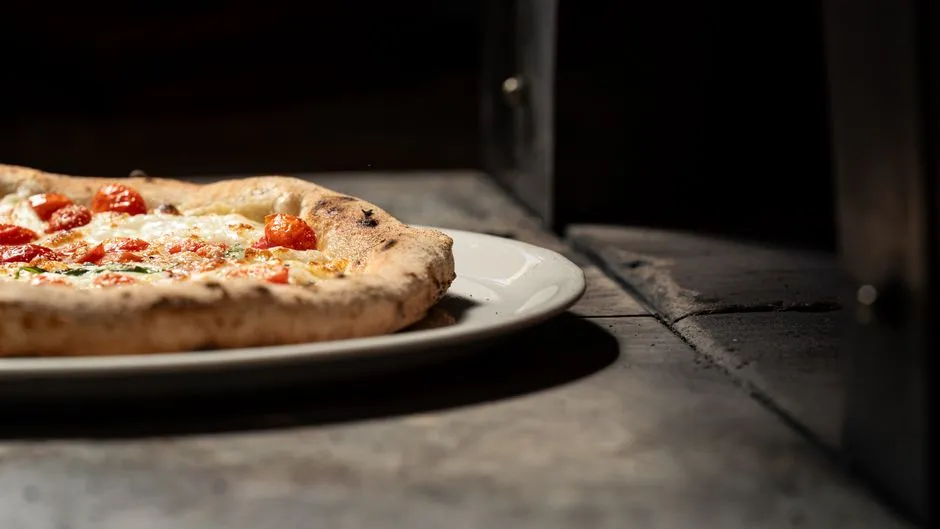
- How should you clean a pizza stone?
- Why do the instructions disagree about water?
- What should happen before brushing or rinsing?
- How do you remove residue without chasing every stain?
- Should you burn off stubborn food?
- What about the counter, peel and raw dough?
- What should you record for the next pizza night?
- Sources
How should you clean a pizza stone?
Let the pizza stone and oven cool completely, identify the stone, and follow its manufacturer's cleaning instructions. Water, detergent and dishwasher permissions differ between products, so there is no universal washing method. Remove residue with approved tools, keep uncertain or damaged equipment out of use pending manufacturer advice, and never improvise a high-heat cleaning cycle. Cleaning the stone does not replace hygiene after handling raw dough.
A darkened baking surface can make a good pizza. The question is what remains on it, and which cleaning method belongs to that particular product. This is a comparison of published care instructions, not a hands-on cleaning test or a recommendation to buy a replacement.
Why do the instructions disagree about water?
The words “pizza stone” cover products with different care requirements. Even similar-looking surfaces do not justify exchanging instructions.
| Identified product or guidance | Published cleaning permission | Important boundary |
|---|---|---|
| Ooni pizza-stone cleaning guide | Dry brush or scraper, then a dry cloth | No water, detergent or dishwasher |
| Weber Pizza Stone, item 8836 | Brush clean and rinse with water | No soap |
| Emile Henry Deep Dish Pizza Pan, SKU EH797562 | Glazed surface listed as dishwasher-safe | Permission belongs to this named product |
The Weber item 8836 specification identifies cordierite and gives its rinse instruction. The Emile Henry listing describes a glazed ceramic deep-dish pan. It is included to show a genuine care exception, not because a deep-dish pan and a flat baking stone perform the same job.
Find the product code on the packaging, receipt or manual before choosing a row. If yours is unidentified, send the maker photographs and ask for the applicable care sheet. A seller's broad description is less useful than the exact model instructions.
What should happen before brushing or rinsing?
Turn off the appliance and allow complete cooling before handling the stone. Follow the appliance's shutdown instructions. Do not remove a hot stone to speed up cleanup or run cold water over it.
Weber's cleaning guidance specifies complete cooling, rinsing and a plastic scraper or spatula for attached particles. It prohibits soaking, detergent and dishwasher cleaning. Apply those directions only where they match your Weber product's instructions.
Before starting, arrange a clear work area and gather the approved cleaning tool. Keep the manual available. A useful division of jobs is “stone after cooling” and “food-preparation cleanup now,” rather than leaving everything until the next bake.
How do you remove residue without chasing every stain?
For the dry-cleaning route, Ooni's guide describes removing cooled debris with a brush or scraper and finishing with a dry cloth. It warns against harsh metal scourers that damage the surface. Use an appropriate tool gently rather than digging into the stone.
Ooni distinguishes ordinary discoloration from thick, raised food deposits. Photograph what remains after approved cleaning if you need support advice. Record whether the issue is loose debris, an attached deposit, an unfamiliar mark or visible damage; these descriptions are more useful than “it looks dirty.”
Our editorial stop rule: if the permitted method is not resolving the problem, ask the manufacturer before trying a stronger chemical, abrasive or heat treatment. For cracks, loose fragments or suspected contamination, stop using the stone while you obtain advice. This guide cannot establish that a damaged food-contact surface remains suitable.
Should you burn off stubborn food?
Do not translate an outdoor pizza-oven cleaning suggestion into a domestic oven's self-clean setting. Check the exact appliance and stone instructions together. If they do not clearly permit the proposed cleaning process, contact the manufacturer rather than choosing a temperature or duration yourself.
We are deliberately not supplying a generic burn-off timetable. Equipment compatibility is part of the instruction, not an optional detail. Our home-oven baking guide covers cooking; neither its baking settings nor a recipe's bake time establishes a cleaning cycle.
For gas or electrical faults, stop use and follow the manufacturer's qualified-service route. Do not dismantle an appliance to complete this cleaning task.
What about the counter, peel and raw dough?
Stone-care restrictions do not mean the rest of the kitchen should receive dry brushing only. The FDA's flour guidance explains that flour is raw: do not taste uncooked dough, keep it separate from ready-to-eat food, wash hands, and clean washable utensils and counters with warm, soapy water.
Clean each peel and other accessory according to its own material and instructions. Do not assume the stone's care sheet applies to the whole kit. Keep the dough recipe and the equipment instructions as separate references.
What should you record for the next pizza night?
Make a short equipment card with the model, manual link, approved tools, washing restrictions and drying/storage directions. Copy the maker's actual drying instructions; do not invent an overnight rule or a heat-drying shortcut.
Add a dated note when you contact support, including the photographs sent and their answer. If instructions are unclear, leave that question open rather than converting a guess into your household routine. Store the card with your oven-technique notes so anyone helping knows which instructions belong to which surface.
For example, label a care note with the product name rather than simply “pizza equipment.” A new accessory should receive its own entry, even when it is stored beside the old one.